

Case Studies and Projects

Like water lilies stretching across the lake, scaling happens though networks sharing, reflecting, and adapting information to their context.

The Islander Way — A regenerative living lab on Flinders Island, Tasmania
A multi-year community-led regenerative tourism living lab on Flinders Island. The project asked: how might tourism contribute to a flourishing community, place, and environment? The result was a regenerative hosting framework adopted by the local council.

Stories of resilience and evolutionary capacity in tourism businesses — Gulf Savannah, NW Qld
Working with operators and communities in another of Australia's most remote and ecologically distinctive landscapes to tell their stories of floods, economic and social resilience through genuine connection to community and Country.

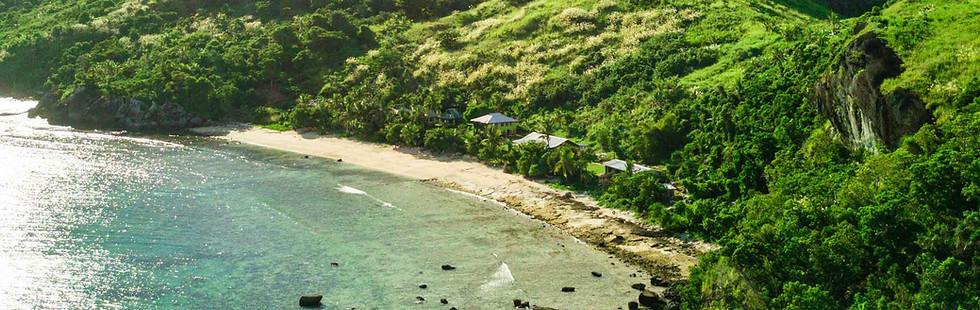
Island thinking as ancient bioregionalism — Local 2030 Islands Network
A global network scaling regenerative thinking across island communities — celebrating island knowledge systems, Indigenous wisdom, and islands as leaders of genuinely different development models. Hawaii became the first jurisdiction to pass a regenerative development bill.

Experiencing ecological leadership — Up the Creek Naam/Melbourne
Read the case study
A regenerative business coaching case study. Up the Creek is a nature-based river experience founded on a different way to grow: by letting go of extraction-minded business logic and learning to work with the river as a partner, not a setting. Transformation unfolded.

A regenerative visitor economy — The river as a anchor of meaning
In 2022, residents of Warburton, Victoria, came together to rethink the future of their place, starting with the Birrarung, the Upper Yarra River. Through deep listening and co-design, the community began seeing the river as a living entity and cultural anchor, and asked what it needs to flourish.
About these Case Studies
These are not hypothetical examples, curated best practices sourced from elsewhere, or stories told by solutions-led journalists. They are projects we have been part of, or led. In other cases, we contributed to, over years and in real conditions. The work was difficult, unpredictable, and occasionally uncomfortable. That is what genuine systems change looks like.
Each case study or work is linked to the Ten Pillars of Regenerative Tourism framework and documents not just what happened, but what we learned about how change actually moves through places and communities.